
Building the Future of AI: Xorbix Mentors Students & Sponsors Badger BuildFest 2026
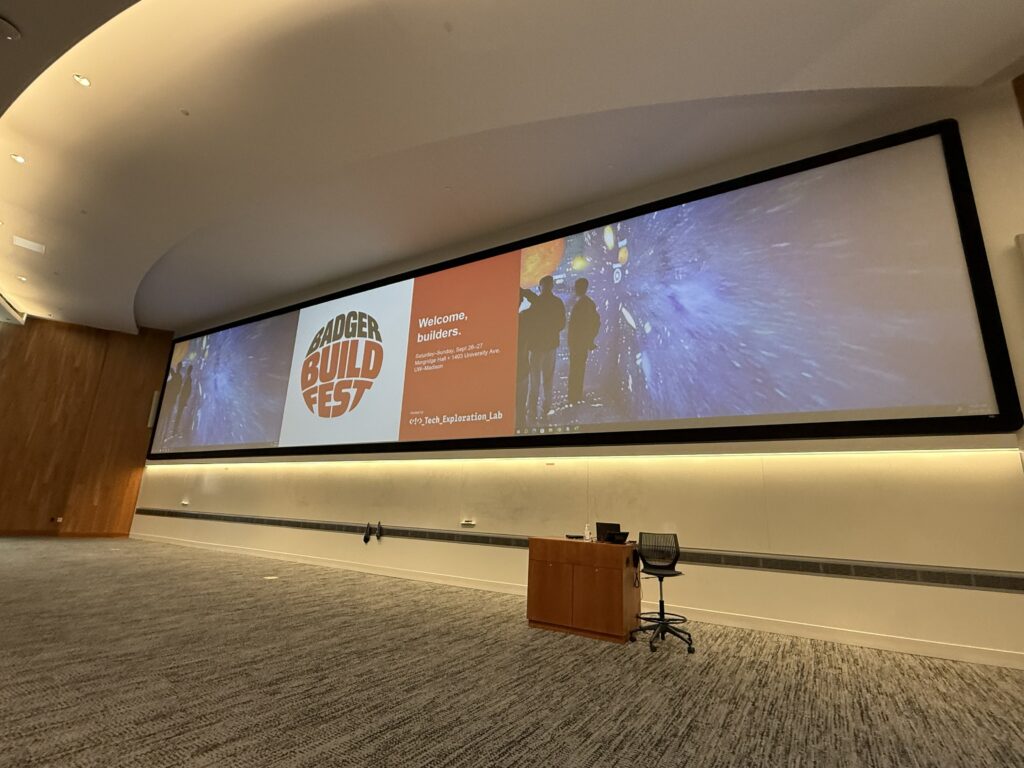
On September 26–27, I had the opportunity to represent Xorbix Technologies, alongside fellow Xorbix Data Engineer Tyler Faulkner, as a mentor and challenge judge at Badger BuildFest 2026, hosted by the University of Wisconsin – Madison’s Tech Exploration Lab. The event brought together students from across academic disciplines to collaborate, build prototypes, and tackle challenges […]
Working with Claude Instructions

You open Claude.ai to work on a client proposal, an operations problem, or maybe a technology decision. Before you get to the actual question, you type the usual briefing. Tomorrow, you’ll do another task and give Claude the same orientation speech again. Account-wide instructions and project instructions give those reminders a permanent home.
Understanding Databricks Query Performance: A Practical Guide to Query Profile Analysis
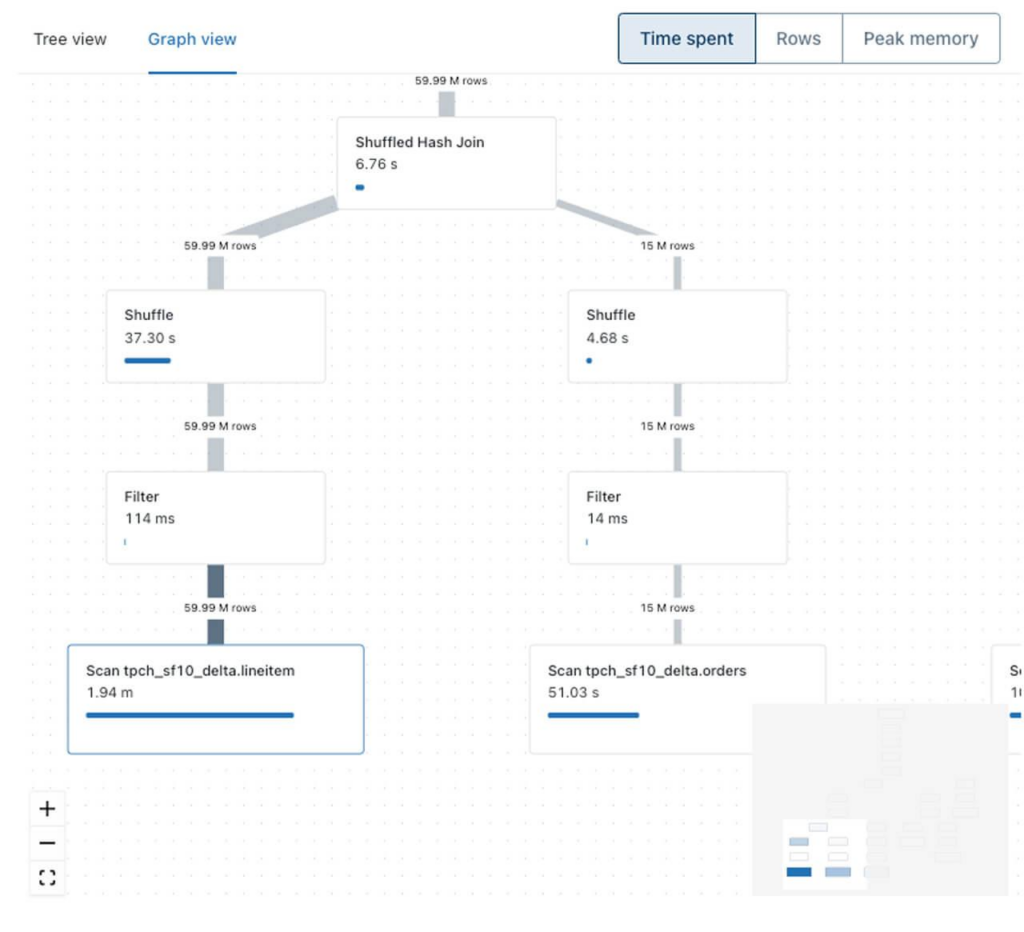
When a SQL query takes longer than expected, execution time is usually the first thing we notice. But knowing that a query took 30 seconds or three minutes does not tell us why it was slow. The query may have scanned too much data, moved data between partitions, created a large intermediate result during a […]
Introducing Visual Databricks App Builder (VDAB) – WI Databricks User Group
Designing Scalable Intelligent Document Processing Platforms – WI Databricks User Group
Databricks Data + AI Summit 2026 Recap – WI Databricks User Group
Software Vendor vs a Technology Partner

After building custom software for more than 30 years, I can tell you that most projects encounter detours along the way. Many have approached us with a well-defined project, a clear set of requirements, a budget, a deadline, and they need “someone to get that software built and launched… ASAP!” Choosing between a vendor and a technology […]
Lakehouse Accelerator – Wisconsin Databricks User Group
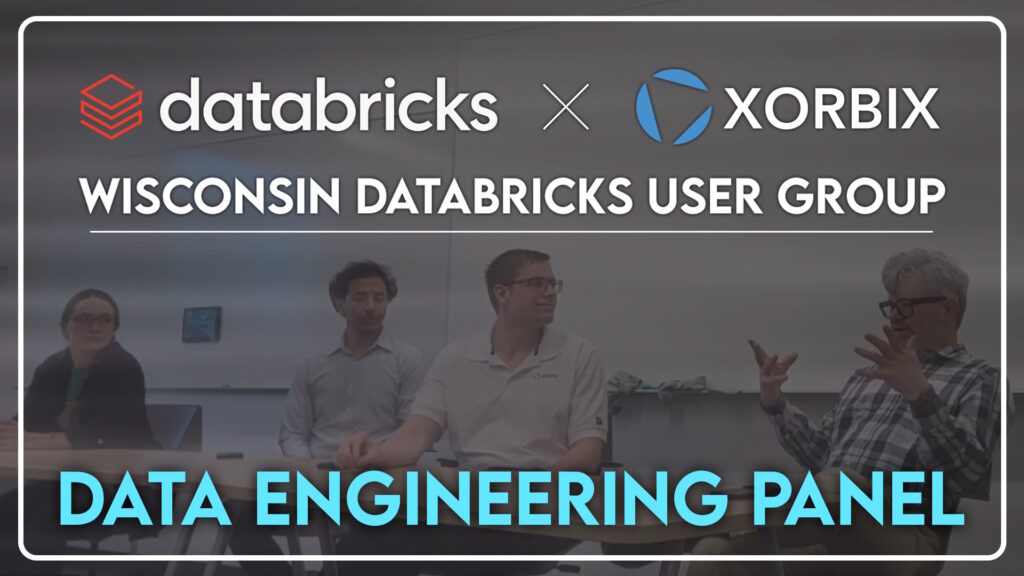
Data Engineering Panel – Wisconsin Databricks User Group
Advantages of N-Tier Architecture
Implementing a new software solution can be difficult to plan out and coordinate among your team. N‑Tier architecture (also called multi‑tier architecture) is a design approach that separates an application into distinct layers (“tiers”), where each tier has a clear responsibility and communicates with other tiers through well-defined interfaces.