Enterprise System Integration Services
Custom enterprise application integration services for scalable, secure, high-performance systems.
Our Enterprise Application Integration Approach
Enterprise Application Integration (EAI) is about making enterprise systems work together as a single, reliable environment. We help organizations connect applications, data, and workflows so information moves automatically across the enterprise without manual handoffs or fragile point to point connections.
Our approach to enterprise application integration emphasizes stability, scalability, and long-term maintainability so integrations are easier to operate, adapt, and extend as systems evolve.
What This Supports:
- Consistent data flow across enterprise applications
- Reliable system to system communication
- Reduced manual data movement and rework
- Scalable integration patterns that grow with your environment
- Clear ownership and visibility across integrations
Enterprise Application Integration Services
API Integration and Management
We build and integrate enterprise APIs that enable secure, reusable communication between enterprise applications and services.
What’s Included:
API design and implementation
Authentication and access control
Integration of internal and external APIs
API documentation and lifecycle support
Middleware and iPaaS Integration
We implement enterprise integration platforms to manage data flow, transformations, and orchestration across systems. This creates a centralized, supportable integration layer that scales as your environment grows.
What’s Included:
iPaaS and middleware implementation using tools like Boomi
Data mapping and transformation between systems
Orchestration of multi-step integration workflows
Secure and reliable message handling
System to System Data Integration
We connect core enterprise systems to ensure data remains accurate, synchronized, and available where it is needed.
What’s Included:
Integration between ERP, CRM, and enterprise platforms
Data synchronization and consistency management
Scheduled and real-time data exchange
Validation and exception handling
Event Based and Workflow Integration
We implement event driven integration patterns that trigger workflows and downstream processes as systems change.
What’s Included:
Event based integration architecture
Workflow orchestration across applications
Trigger driven process automation
Support for asynchronous processing
Integration Monitoring and Error Handling
We make enterprise integrations observable and supportable so issues can be detected and resolved quickly.
What’s Included:
Centralized logging and monitoring
Error handling and retry strategies
Alerts for failed or delayed integrations
Operational dashboards for support teams
Our Enterprise System Integration Approach
Enterprise system integration focuses on making core business systems work together reliably. We help organizations connect platforms, applications, and data so information flows consistently across the enterprise.
Our approach emphasizes clean integration patterns, clear ownership, and long-term maintainability. Integrations are designed to scale as systems evolve, without creating brittle dependencies or operational risk.
What We Focus On:
- Connecting enterprise systems into a cohesive environment
- Reliable data flow across platforms and applications
- Integration patterns that are maintainable over time
- Reducing manual work and system silos
- Supporting growth without reworking integrations

Enterprise System Integration Services
Application and Platform Integration
We integrate enterprise applications and platforms so systems can exchange data and trigger workflows reliably.
What’s Included:
Integration between ERP, CRM, HR, finance, and custom systems
API-based system connectivity
Data transformation and mapping
Secure system communication
Technology Stack Modernization
We update outdated frameworks, libraries, and platforms to supported, modern alternatives.
What’s Included:
Evaluation of current technology stack
Framework and platform upgrades
Dependency cleanup and replacement
Compatibility and regression testing
Cloud and Platform Modernization
We help move legacy systems toward modern hosting and deployment models when appropriate.
What’s Included:
Cloud readiness assessment
Migration planning and execution
Environment and deployment modernization
Improved scalability and availability
Data and Integration Modernization
We modernize how legacy systems interact with data and other applications.
What’s Included:
Improved data access and data models
API enablement for legacy systems
Integration updates to support modern platforms
Reduced coupling between systems
Incremental Modernization and Road mapping
We define a practical modernization roadmap that allows progress over time without disrupting operations.
What’s Included:
Prioritized modernization roadmap
Phased delivery plan
Risk mitigation and dependency management
Guidance on when to modernize versus replace
Trusted by Leading Organizations

Case Studies


See Our Delivery Framework
See how we deliver real results with a proven model that brings clarity, speed, and confidence to every project.
AI Is Big. Your First Step Doesn’t Have to Be.
Download our free AI strategy guide and take the guesswork out of getting started.
FAQs
Enterprise Application Integration (EAI) connects enterprise systems so data and processes flow automatically between applications. It allows systems like ERPs, CRMs, data platforms, and custom applications to work together without manual data movement.
We work with industry-standard integration tools and platforms based on your environment and needs. This includes middleware and iPaaS solutions such as Boomi, as well as API-based and event-driven integration approaches.
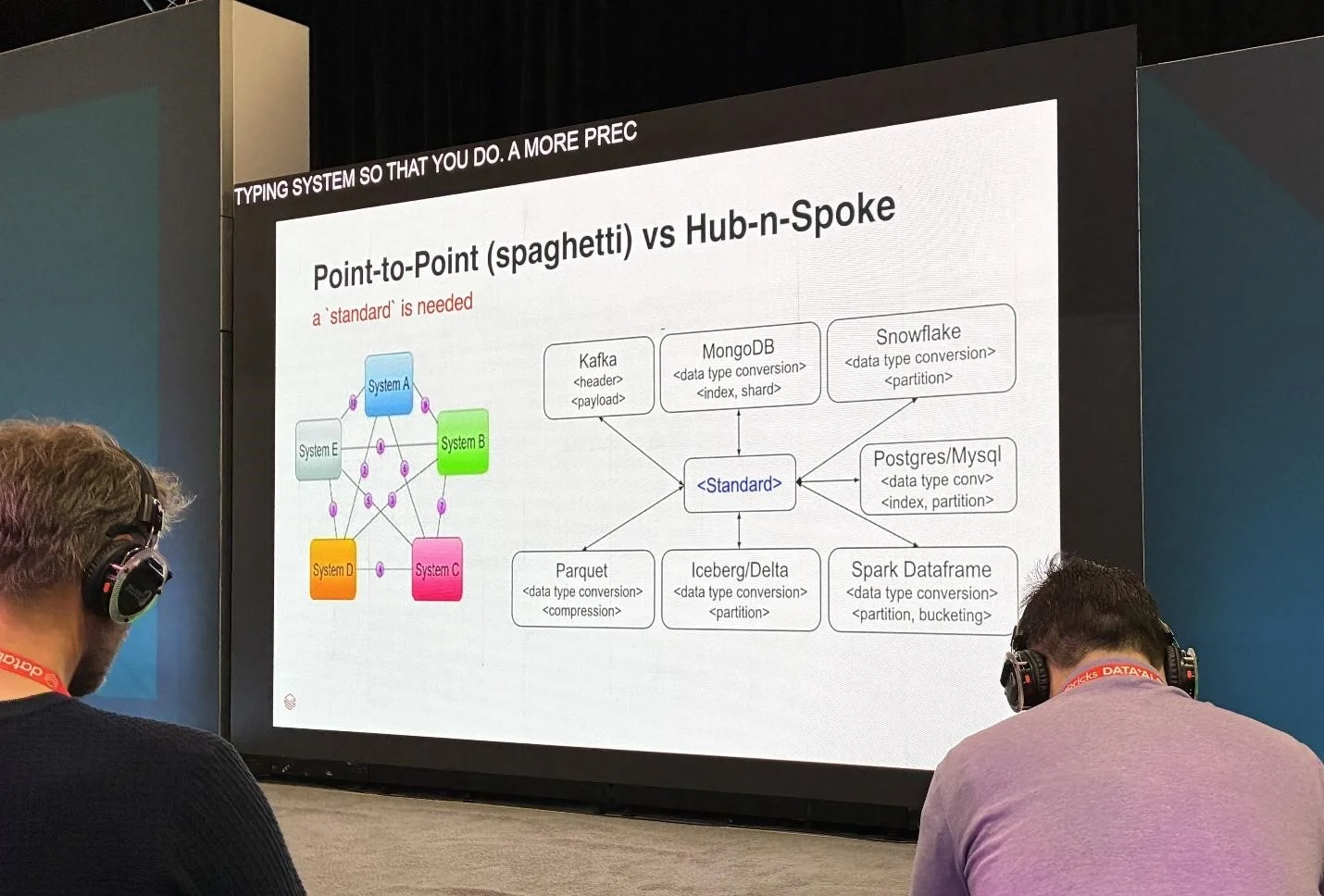
Point-to-point integrations directly connect systems and become difficult to manage as complexity grows. EAI uses centralized integration patterns that are easier to scale, monitor, and maintain over time.
Yes. Our enterprise application integration services support hybrid environments, including cloud applications, on-prem systems, and SaaS platforms.
Yes. We design integrations that support real-time data exchange, event-driven workflows, and scheduled batch processing depending on the use case.
Integrations are designed with logging, alerting, and error handling so issues are visible and recoverable without disrupting downstream systems.
Yes. EAI is commonly used to connect legacy systems with modern applications, extending their usefulness without requiring immediate replacement.
Security is built into every integration through authentication, authorization, encryption, and access controls appropriate to each system connection.
Yes. We offer ongoing support and enhancement services to keep integrations stable as systems and business needs change.
We’re Ready When You Are
Whether you have a clear goal, a rough idea, or a problem that needs fixing, we’re here for it.
Fill out the form and we’ll follow up to schedule a short, focused conversation. We’ll walk through what you’re trying to achieve, share how we work, and outline the next steps to move forward with confidence.
Address
802 N. Pinyon Ct,
Hartland, WI 53029
Billing Inquiries
(866) 568-8615
Information and Sales
info@xorbix.com